
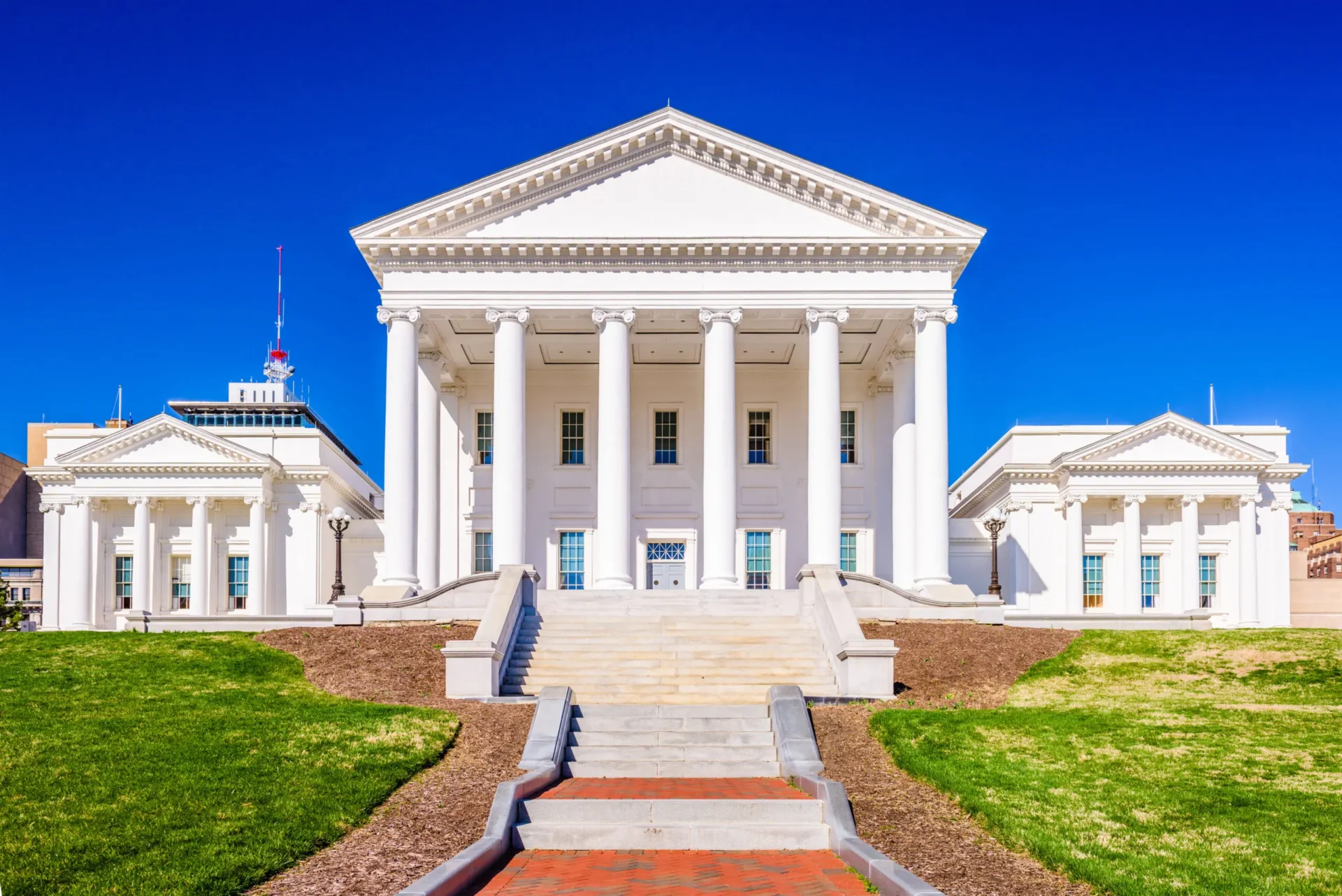
The South’s first legal state finally opens its doors
Virginia was the first Southern state to legalize cannabis possession, but for years, it remained a paradox: legal to hold, illegal to buy. Now, with a new governor in office and a retail framework signed into law, Virginia is poised to become the Southeast’s legalization model — blending equity, access, and Appalachian craft ethos.
This is the story of how Virginia went from symbolic reform to structural change, and what it means for growers, consumers, and the region at large.
The Possession Era (2021–2025)
In 2021, Virginia made history by legalizing adult possession and home cultivation — up to one ounce of flower and four plants per household. It was a landmark move, especially for a Southern state, and signaled a shift in public sentiment.
But the retail market stalled. Bills passed the General Assembly, only to be vetoed by then-Governor Glenn Youngkin, who cited youth mental health and public safety concerns. For four years, Virginians could legally possess cannabis but had no legal way to purchase it — a contradiction that fueled frustration and empowered the underground market.

The 2025 Election Shift
Everything changed in November 2025. Voters elected a Democratic governor who campaigned on cannabis reform, equity, and small-business access. With the executive branch now aligned with the legislature, the long-blocked retail framework finally moved forward.
In early 2026, the new administration signed a comprehensive retail bill into law — setting the stage for legal sales to begin by November 1, 2026.

What’s in the Law
Virginia’s retail framework is one of the most equity-forward and craft-friendly in the country. Key provisions include:
- No local opt-outs — every jurisdiction must allow retail stores, preventing patchwork bans.
- Microbusiness licenses — designed for small growers, legacy operators, and equity applicants.
- Equity priority — licensing favors individuals impacted by past enforcement, with access to startup capital and technical support.
- Vertical integration limits — preventing large corporations from dominating the supply chain.
- Public education campaigns — focused on youth prevention, safe consumption, and community reinvestment.
The law blends Appalachian resilience with urban equity, creating space for both legacy growers and new entrepreneurs.
Who’s Leading the Charge
- Virginia NORML — long-time advocates for reform, education, and patient rights.
- Marijuana Justice — equity-focused organizers pushing for expungement and community reinvestment.
- Craft growers and hemp farmers — many are transitioning into the legal THC market, especially in the Piedmont and Shenandoah regions.
- Local entrepreneurs — preparing storefronts, delivery services, and cooperative models to serve their communities.
The energy is grassroots and regional, with a focus on authenticity, access, and economic justice.

Challenges Ahead
- Regulatory rollout — licensing, testing, and enforcement will require coordination across agencies and local governments.
- Legacy transition — many underground growers are still wary of entering the legal system, fearing surveillance or exclusion.
- Corporate pressure — national brands may attempt to enter the market, testing the limits of Virginia’s anti-monopoly provisions.
- Public perception — stigma remains in rural areas, and education will be key to building trust.
Virginia’s success will depend on implementation, inclusion, and integrity.
Regional Impact
Virginia’s retail launch will ripple across the Southeast:
- North Carolina may face increased pressure to legalize, especially along the border.
- D.C. gifting culture may evolve as legal retail becomes available nearby.
- Southern growers may look to Virginia as a model for equity licensing and small-scale access.
- Policy watchers will study Virginia’s rollout as a blueprint for cautious but comprehensive reform.
Virginia is no longer just the first — it’s becoming the standard bearer.
Conclusion
Virginia’s cannabis journey is a story of delayed promise, political resilience, and regional leadership. From possession reform to retail reality, the state has navigated vetoes, stigma, and structural barriers to build a market rooted in equity and craft.
As the first legal state in the South to launch full adult-use sales, Virginia is not just opening dispensary doors — it’s opening a new chapter for cannabis in America’s most cautious region.
